The meeting of culture and cuisine in Ireland
May 15 to 22, 2027 – Ashbrooke House, Northern Ireland
The Evolution of Irish Cuisine and the Culture that Drives It
May 15 to 22, 2027
Northern Ireland's food culture is experiencing a renaissance, rooted in traditional cooking while embracing new ideas, techniques, and influences from around the world. This renewed interest in local food has also helped fuel a growing appreciation for high-quality ingredients and the farmers, fishermen, cheesemakers, bakers, and distillers who produce them.
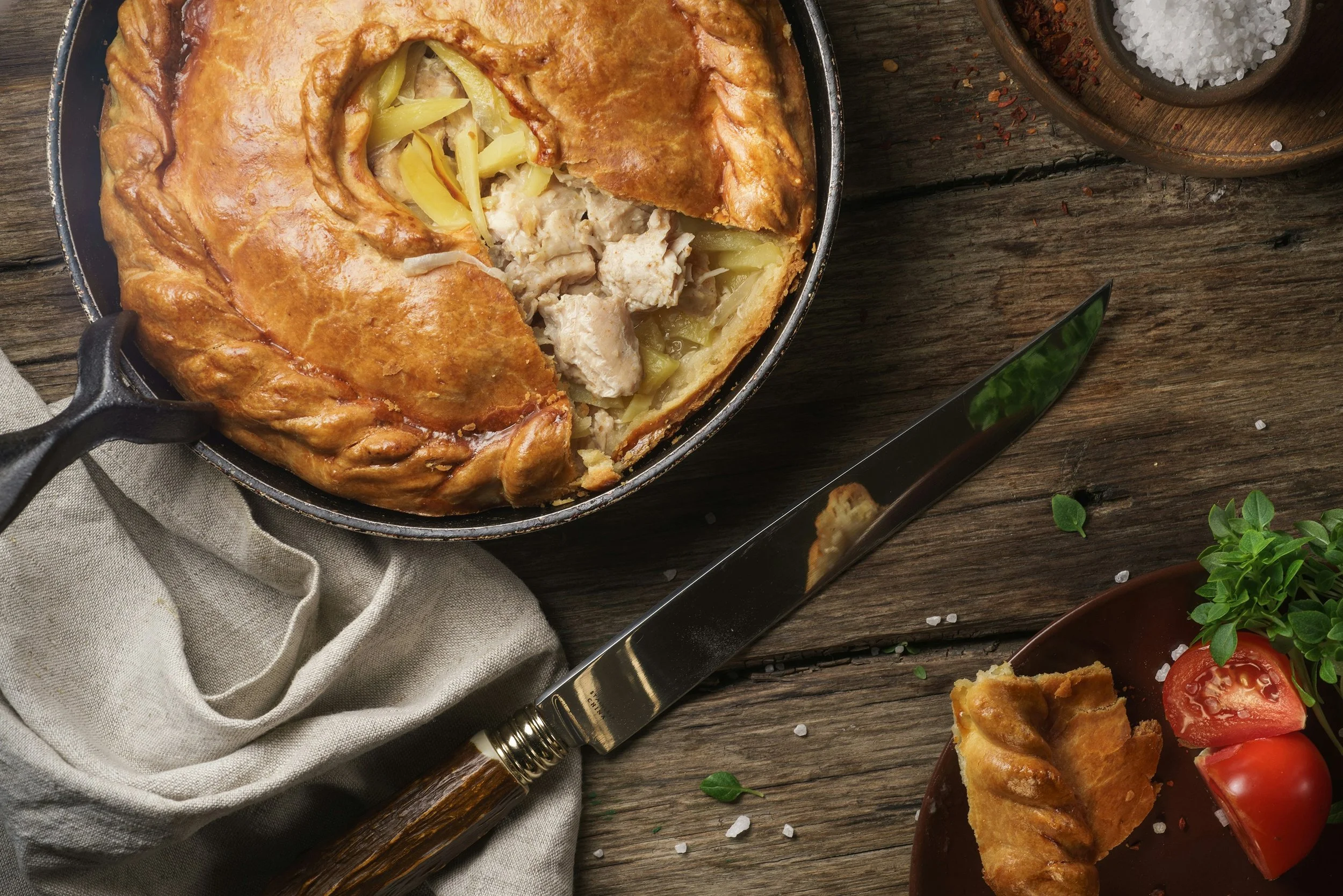
Lush green pastures, lakes, and long coastline produce world-class dairy, grass-fed meats, fruit, and fresh seafood. Classic dishes like Irish stew, seafood chowder, and soda bread continue to hold an important place at the table, while contemporary chefs and producers are finding new ways to celebrate these classic ingredients.
Join us in May to explore Northern Ireland's evolving food culture and meet the farmers, cheesemakers, bakers, and distillers who are helping shape its future.
Ultimately, Northern Irish food is a reflection of the land, history, and communities that have shaped it. Traditional recipes connect generations, while today's chefs and producers are building on that heritage with creativity and a renewed focus on local ingredients. By continuing to bake, cook, gather, and share meals, people across Northern Ireland are keeping cherished traditions alive while creating a new chapter in the region's food story.



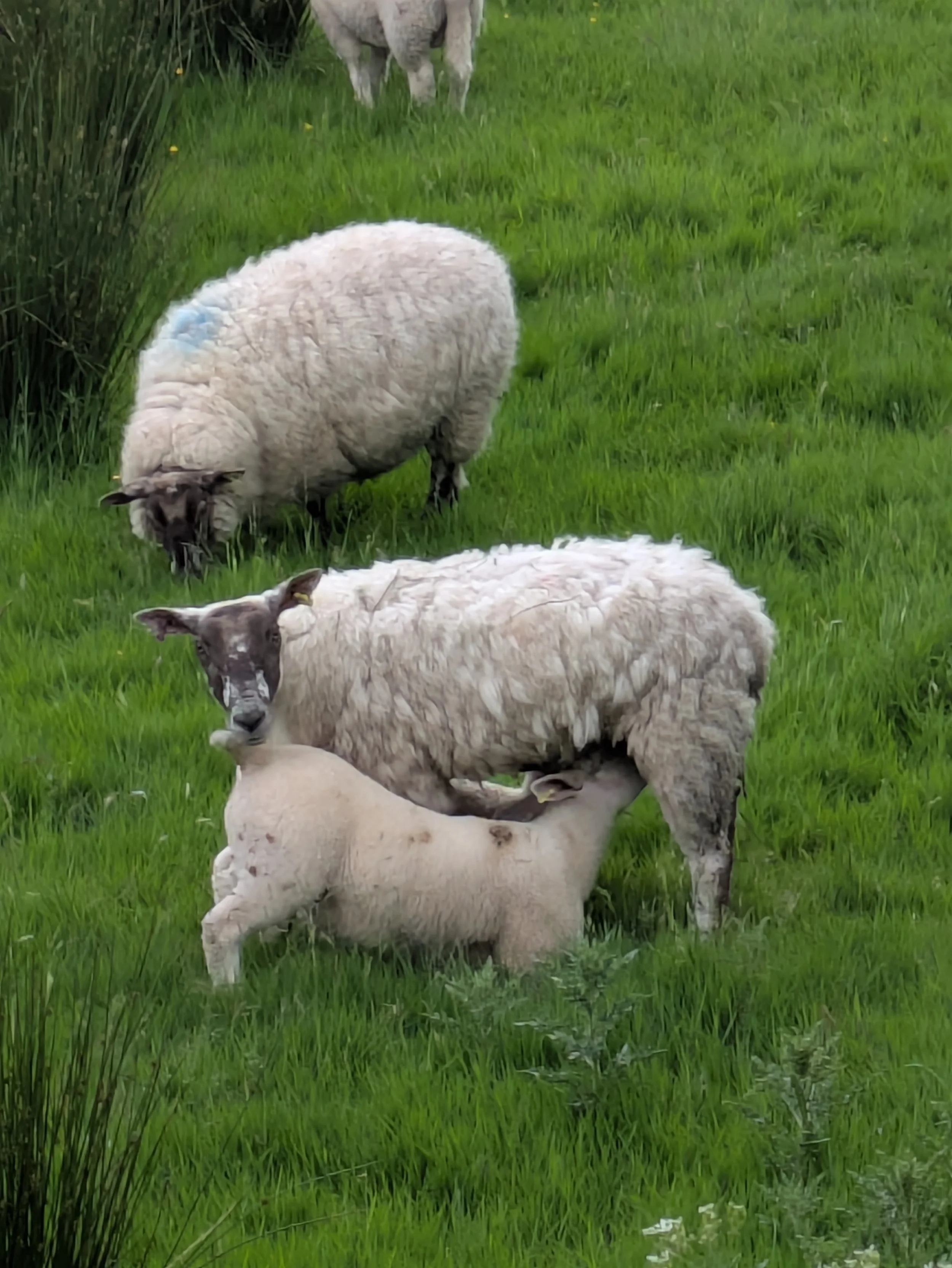
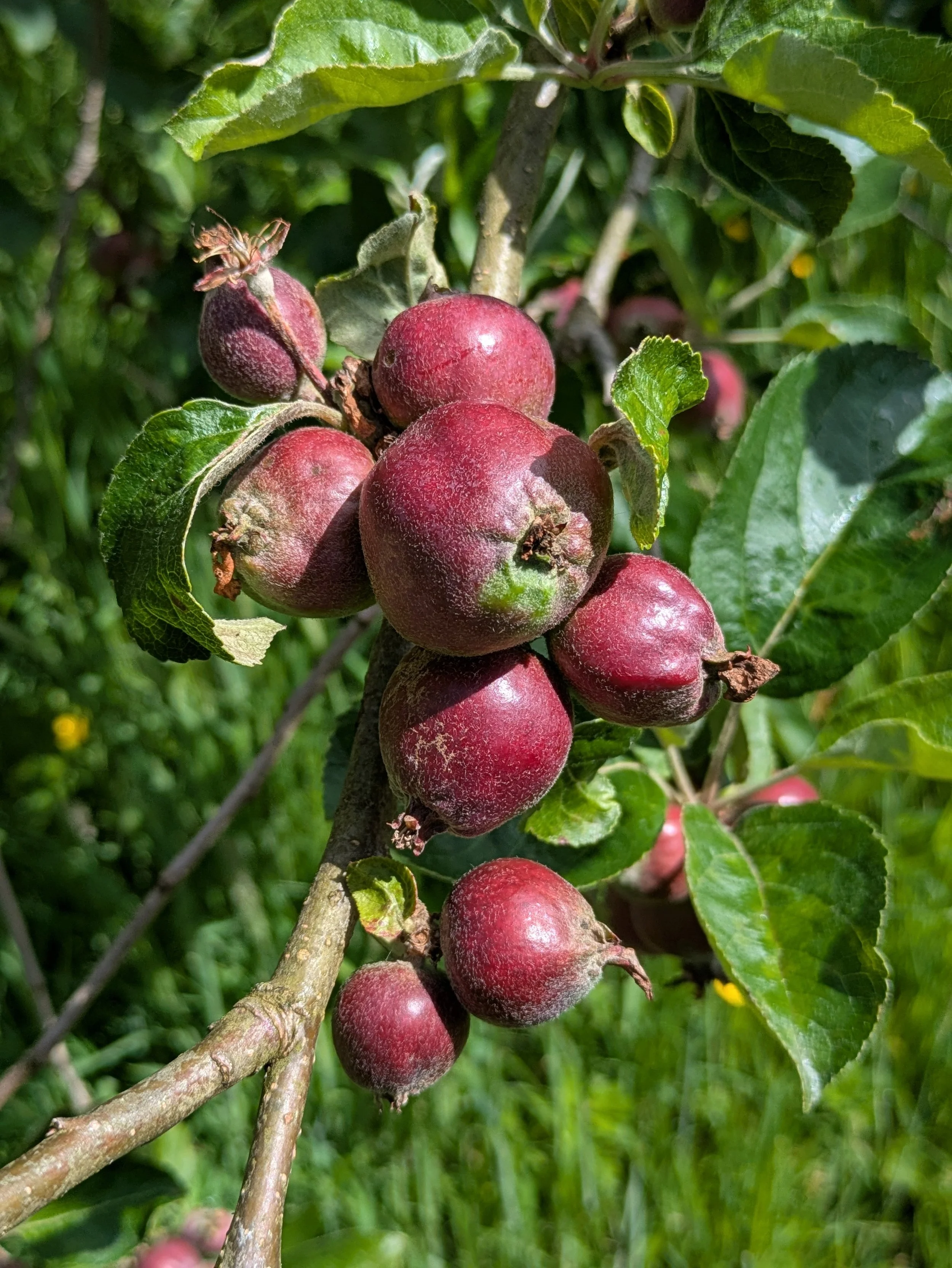
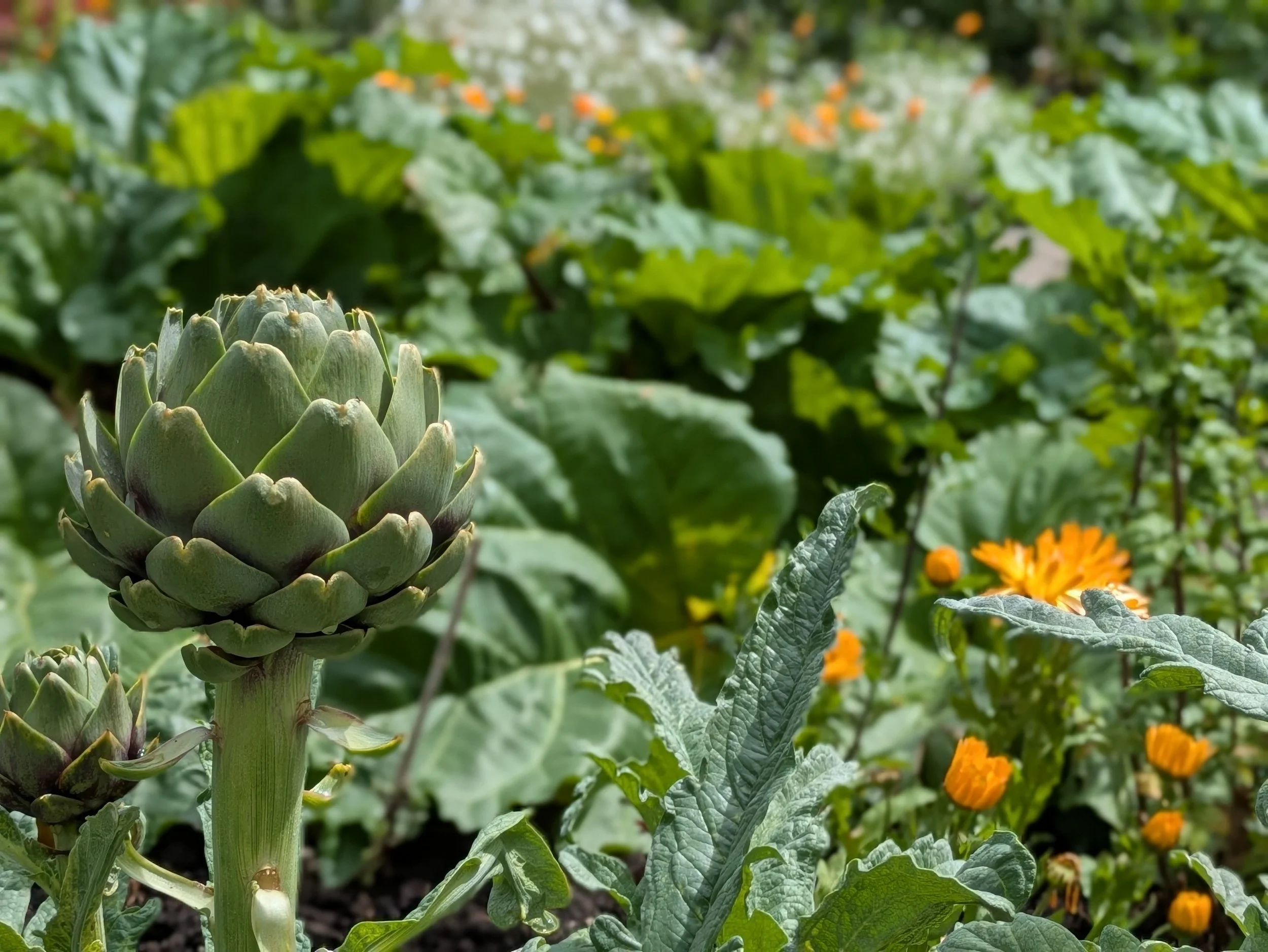
Click/tap to enlarge any photo
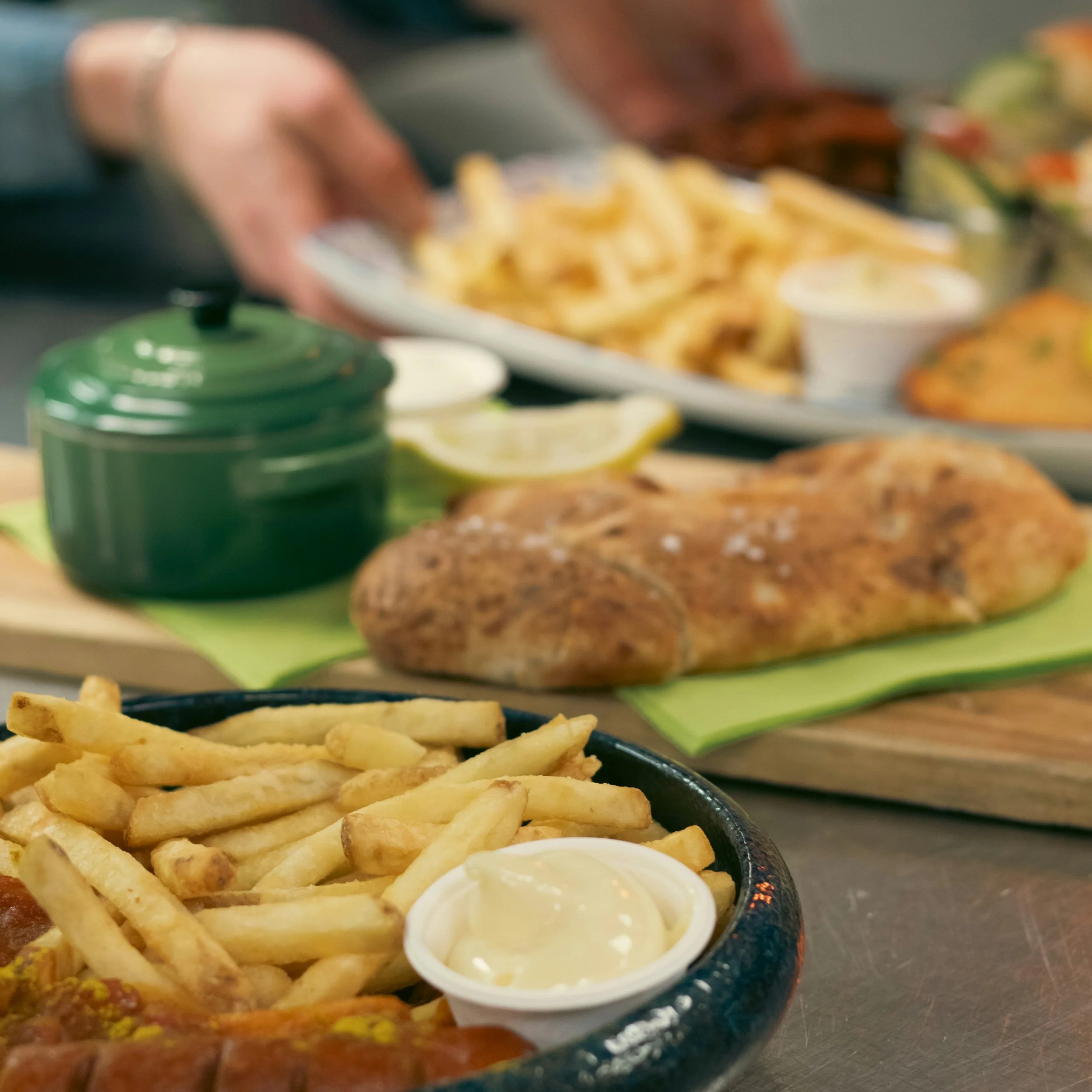
What we’ll do in Northern Ireland
Throughout our time in Northern Ireland, we’ll enjoy activities from the among the following:
Taste of Enniskillen walking food tour
Traditional Irish baking workshop
Cooking classes with our private chef, Joery Castel
Local cheesemaking demonstration
Pizza picnic in the estate’s walled garden
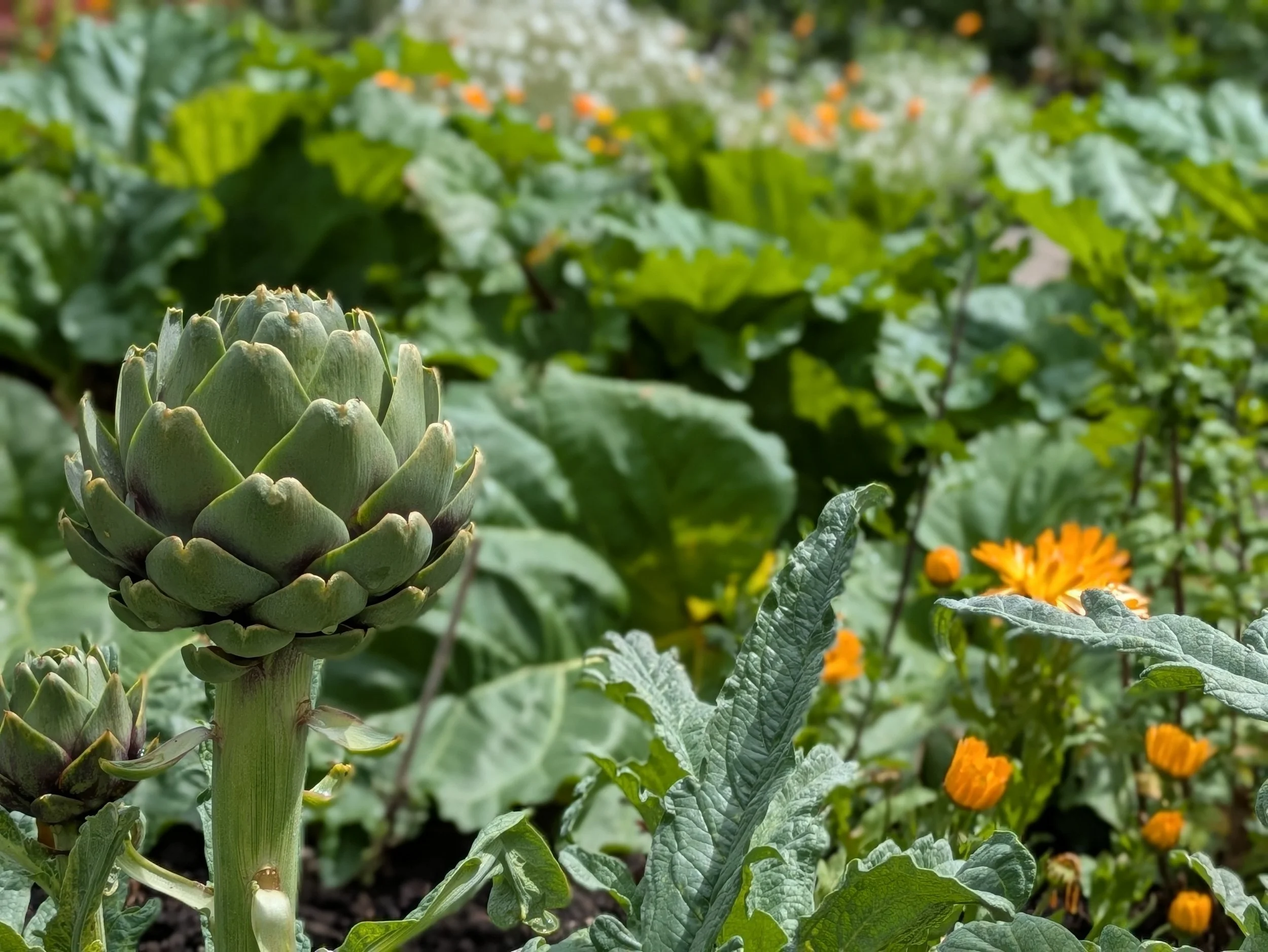
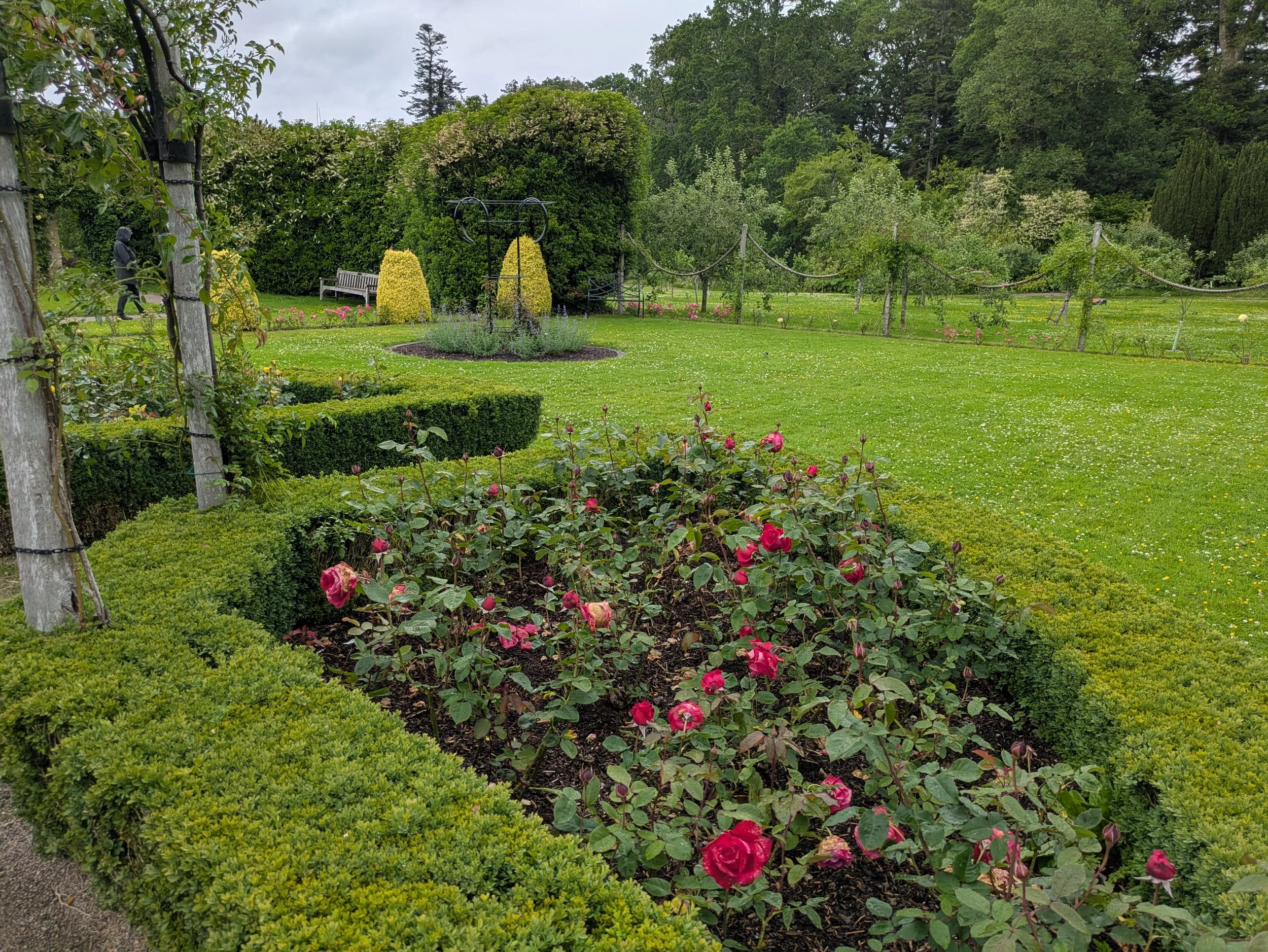
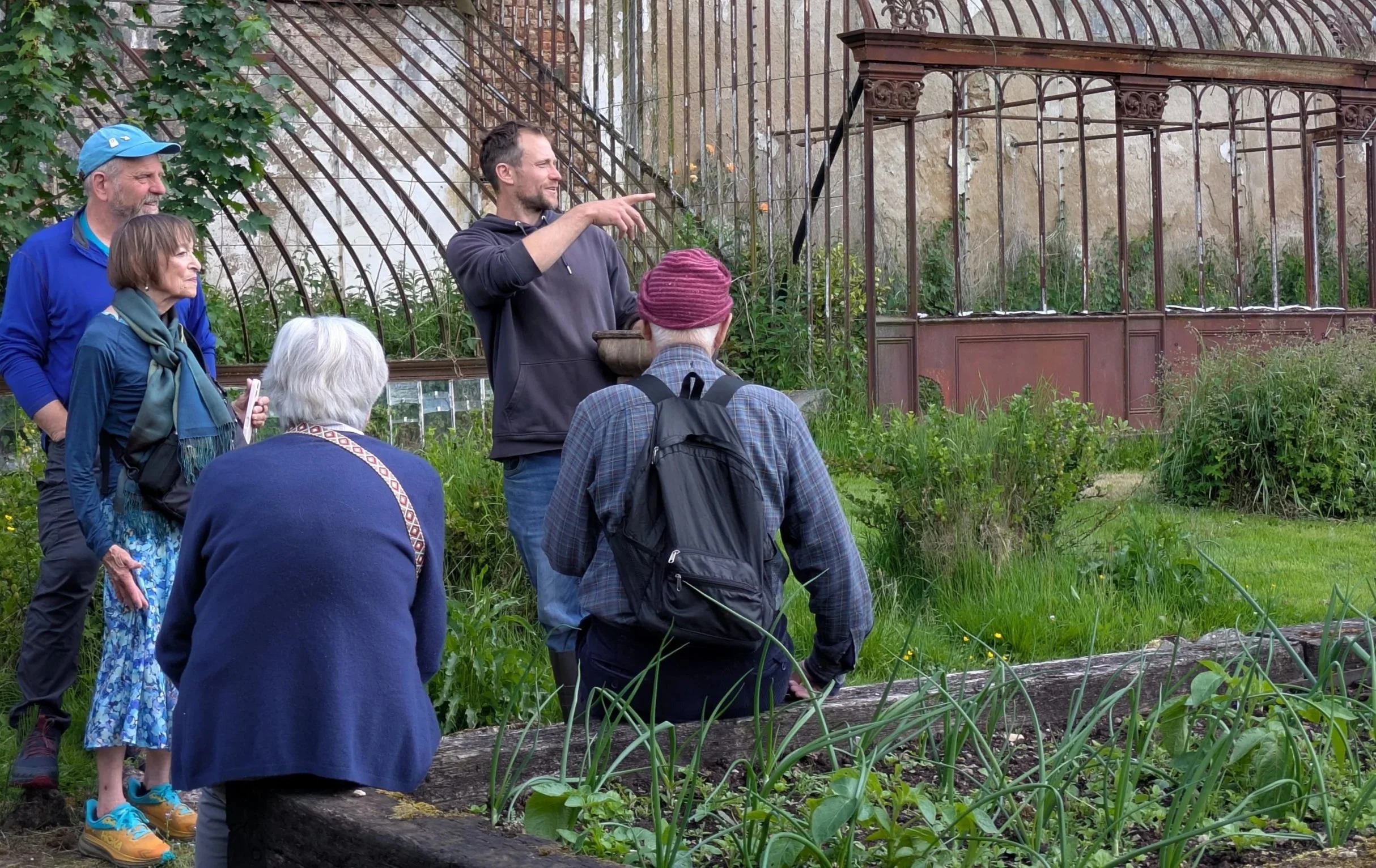
Tour of the Colebrooke estate’s walled garden with its head gardener
Visit to local craft distilleries
A crash course on Irish history and the potato famine at the Ulster American Folk Park
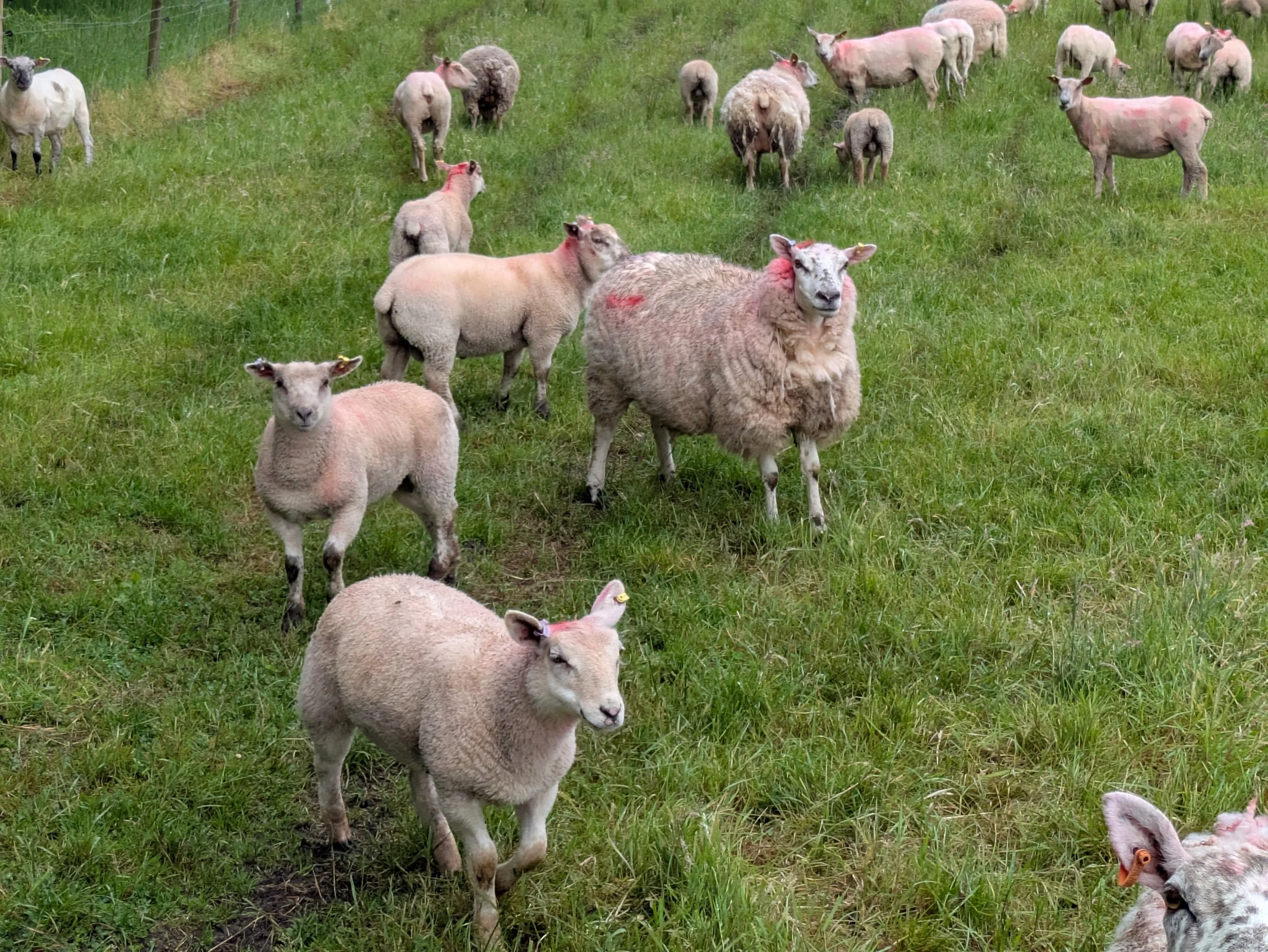
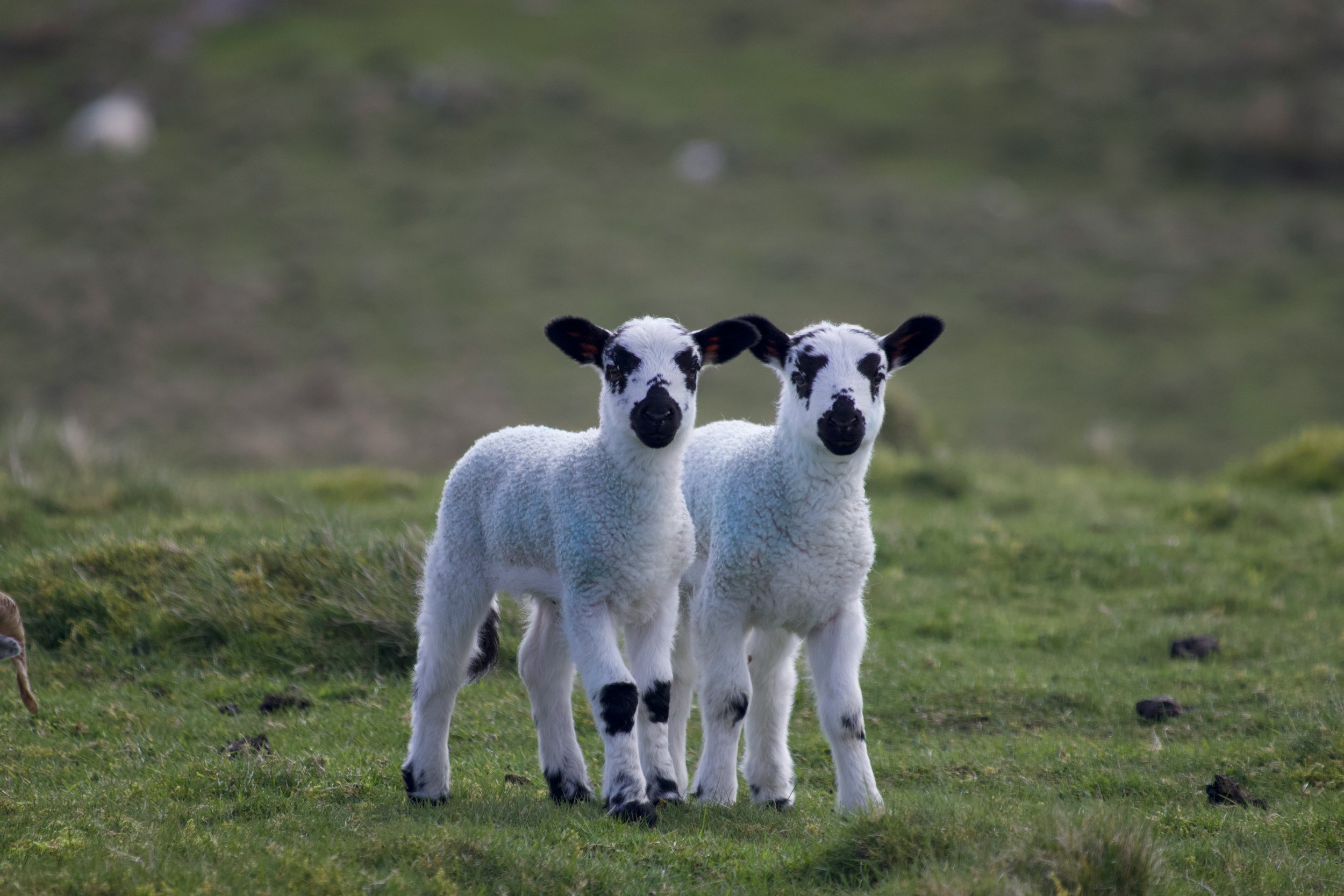
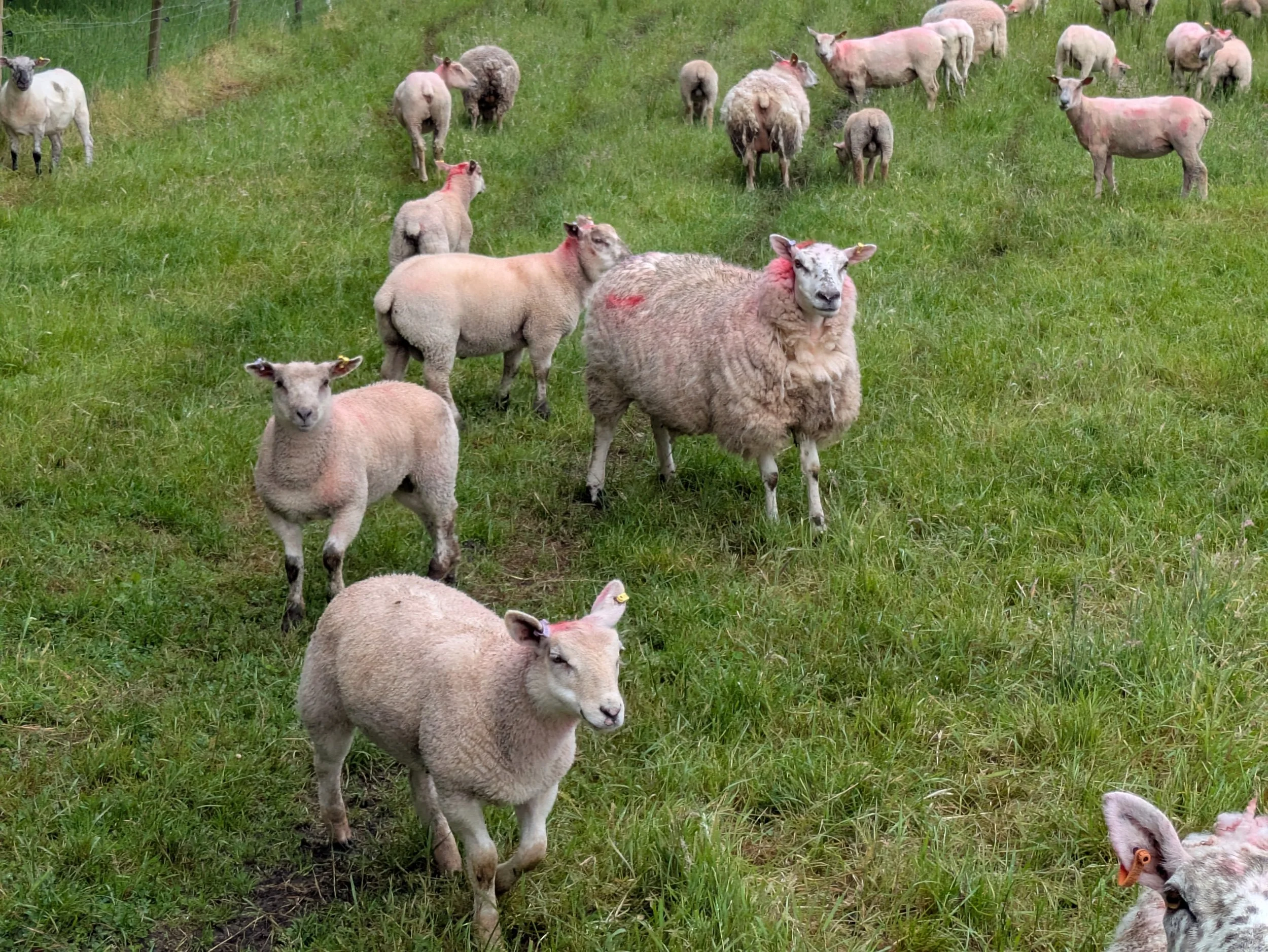
A sheep farming demonstration with sheep dogs
Meet local fresh food producers at local farm
A visit to the private Salt Hill Gardens
Our activities are subject to change.
Dates: May 15 to 22, 2027
Location: Ashbrooke House, Northern Ireland
Cost: $4850 (see below for details)
Maximum group size: 14
More:
See below for full trip details and costs
See below for more details about this workshop
Questions about payments, costs, our cancelation policy and more? Consult our Frequently Asked Questions.
Trip Details
(Click + to expand)
-
May 15 to 22, 2027 (7 nights - 8 days)
Total cost of the tour: $4850
Supplement for single occupancy: $600
Private bathroom supplement: $175
Deposit required to reserve a place on the tour: $600
(Places in the tour are limited to 14 and are allocated on a first-come, first-served basis. We recommend that you reserve your place early!)Payment schedule
$600 deposit is due when you make your reservation.The remainder of the cost will be due in 4 installments on:
October 1, 2026
December 1, 2026
February 1, 2027
March 1, 2027
Each installment payment will be $1063. The cost of a single room is additional and will be due December 1, 2026. You can pay in fewer installments if more convenient for you.
Cancelation Policy:
If you cancel up to 90 days prior to the trip’s start, any payments you’ve already made will be held for you so that it can be applied to a future trip. If you are within 90 days of the trip’s start, we’ll have already incurred substantial costs related to your reservation and so we won’t be able to offer you a credit. Instead, you will need to file a claim through your travel insurance. More information is found in our FAQ.If we need to cancel a trip for another reason, such as a natural disaster at the trip’s destination, the trip will be rescheduled. You will also have the option to apply the payments you’ve made to another trip.
** Receive a $350 credit on your next trip when you bring or refer a friend. Read More.
-
Excursions and special activities throughout the week
Pick-up and drop-off at designated airport at designated times
7 nights lodging
7 dinners with appropriate amounts of alcohol and breakfasts
3 lunches
Local transportation by minibus and driver
What’s not included:
Airfare & Travel Insurance
4 Lunches
Tour guide tip
-
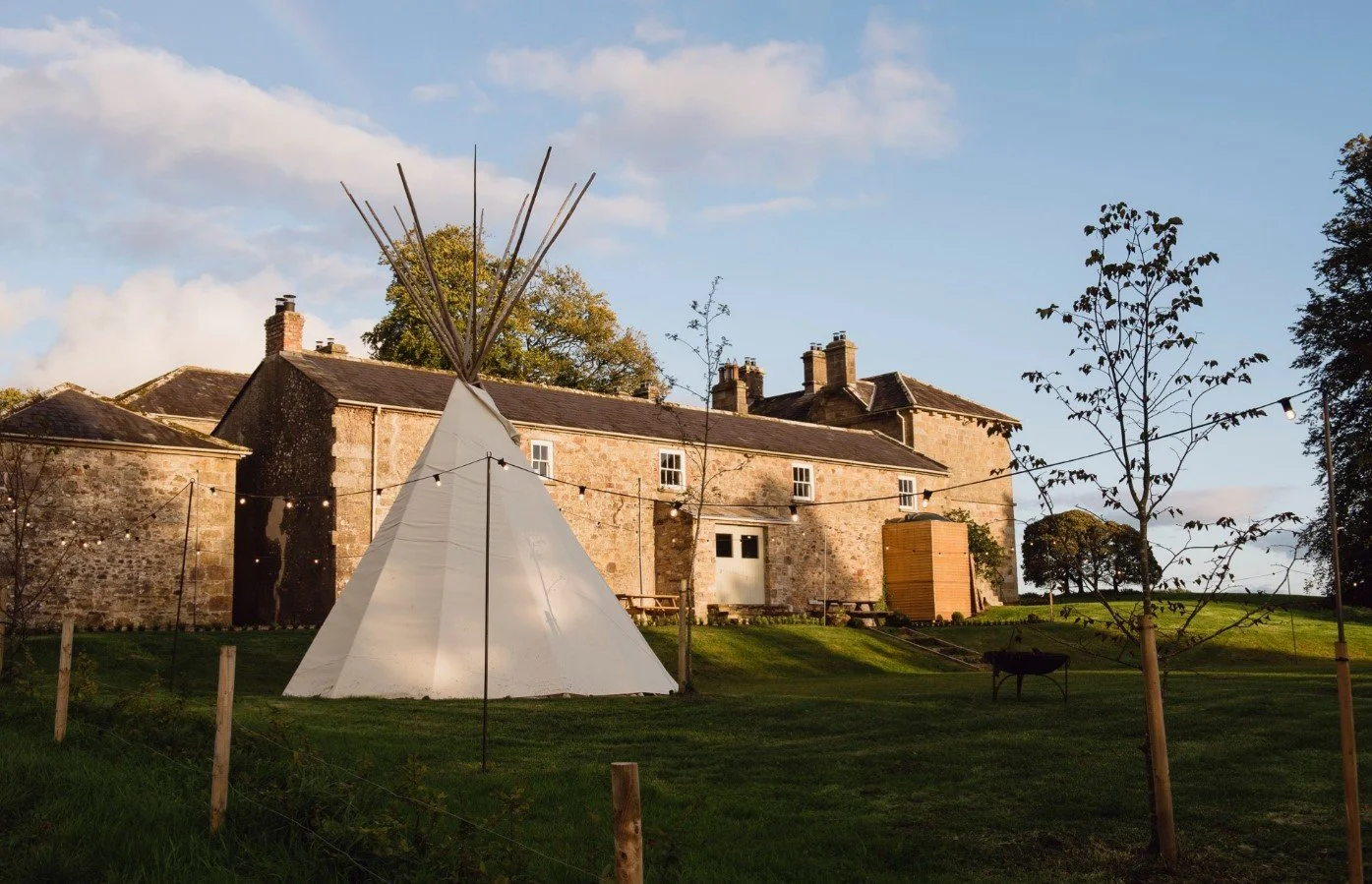
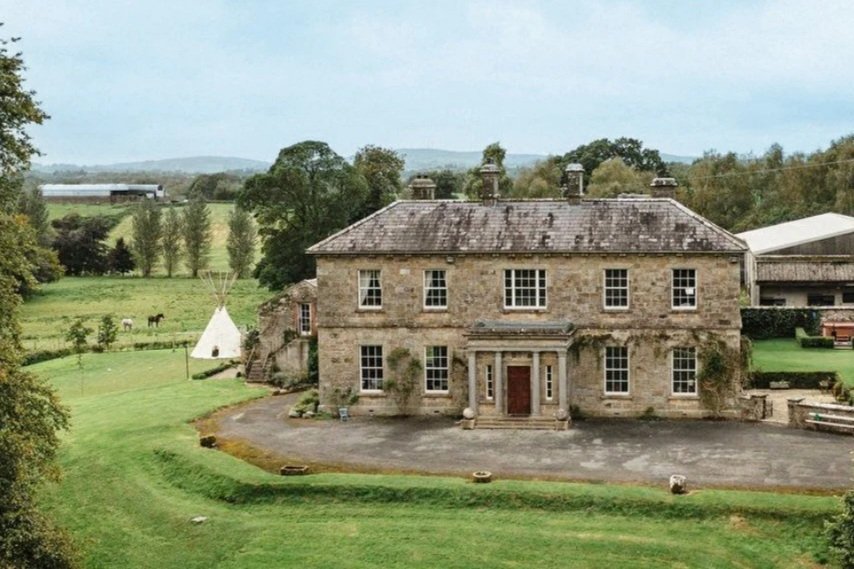
We are pleased to offer you a unique stay in a manor house on a 1,000-acre estate in Northern Ireland. It is a special location and the surroundings are unlike anything most of us experience in a lifetime.
The manor house has five rooms with ensuite bathrooms. There are three other rooms that share two bathrooms among them. There is a small additional charge for the rooms with ensuite bathrooms.
All the bedrooms are large and comfortable. The bathrooms are as grand as the bedrooms.
Our meals will be served to us in the dining room, with the dishes and ingredients introduced to us by the chef.
We will also have access to all parts of the manor, including the parlor, dining room and kitchen.
This all is what makes this a five-star tour.
-
Dinners will be taken at local restaurants throughout the trip. Breakfasts are included and will be at our hotel. Appropriate amounts of beer or wine are included with dinners. On some days, we may have our main course of the day at lunch, rather than at dinner.
-
To extend your trip, and take some time to catch up on your sleep before the tour begins, you may wish to arrive early in Ireland or elsewhere in Europe. Spend sometime in Dublin, if you have not already, or elsewhere in either Ireland or Northern Ireland.
You can also extend your trip with a longer visit to the UK or Europe.
-
Yes, you may cancel your trip if you need. Up to 90 days prior to the trip’s start, any payments you’ve already made will be held for you so that it can be applied to a future trip. If you are within 90 days of the trip’s start, we’ll have already incurred substantial costs related to your reservation and so we won’t be able to offer you a credit. Instead, you can file a claim through your travel insurance.
Contact Us as soon as you know you must cancel and going forward, let us know what future trip you’d like to join and we’ll set it up for you.
You will not be responsible for any payments that have not yet been made.
Any credit you have with Travel Fever Tours may be applied to a different person’s account, if you like. Credits are valid for a period of three years.
You will be contacted once the trip reaches minimum enrollment so that you can proceed with purchase of your flights and make other travel arrangements.
Note: This trip will involve some amount of walking. Within the towns and elsewhere, there may be cobblestones and other uneven surfaces. You should be able to walk some distances, as city dwellers do, over uncertain surfaces to participate in this trip. Our hotel does not have an elevator.
About Irish Cuisine
The potato, of course, plays a uniquely powerful role in Ireland's history and cultural memory. Introduced in the late 16th century, originally from Latin America, the potato quickly became the primary source of nutrition for most of the population because it grew so well in Irish soil. When the Great Famine struck in the 1840s and devastated the potato crop, it reshaped the nation's history forever, causing widespread loss and mass emigration.
But there is much more to Irish cuisine and culture than the potato. Food is one of the most meaningful ways Irish culture is passed down through generations.
Historically, Irish cuisine was shaped by what could easily grow in the soil and climate, leading to a focus on simple, hearty ingredients like oats, dairy, and potatoes. Over time, these basic staples became deeply tied to family life and daily routines, turning simple meals into central parts of Irish identity.
Modern Irish cuisine is all about taking classic, hearty comfort foods and making them fresh, light, and modern. While traditional Irish cooking focused mainly on simple, filling staples, today’s food scene shines a spotlight on the incredible natural quality of Ireland’s local ingredients.
Here’s what you can expect in Irish cooking:
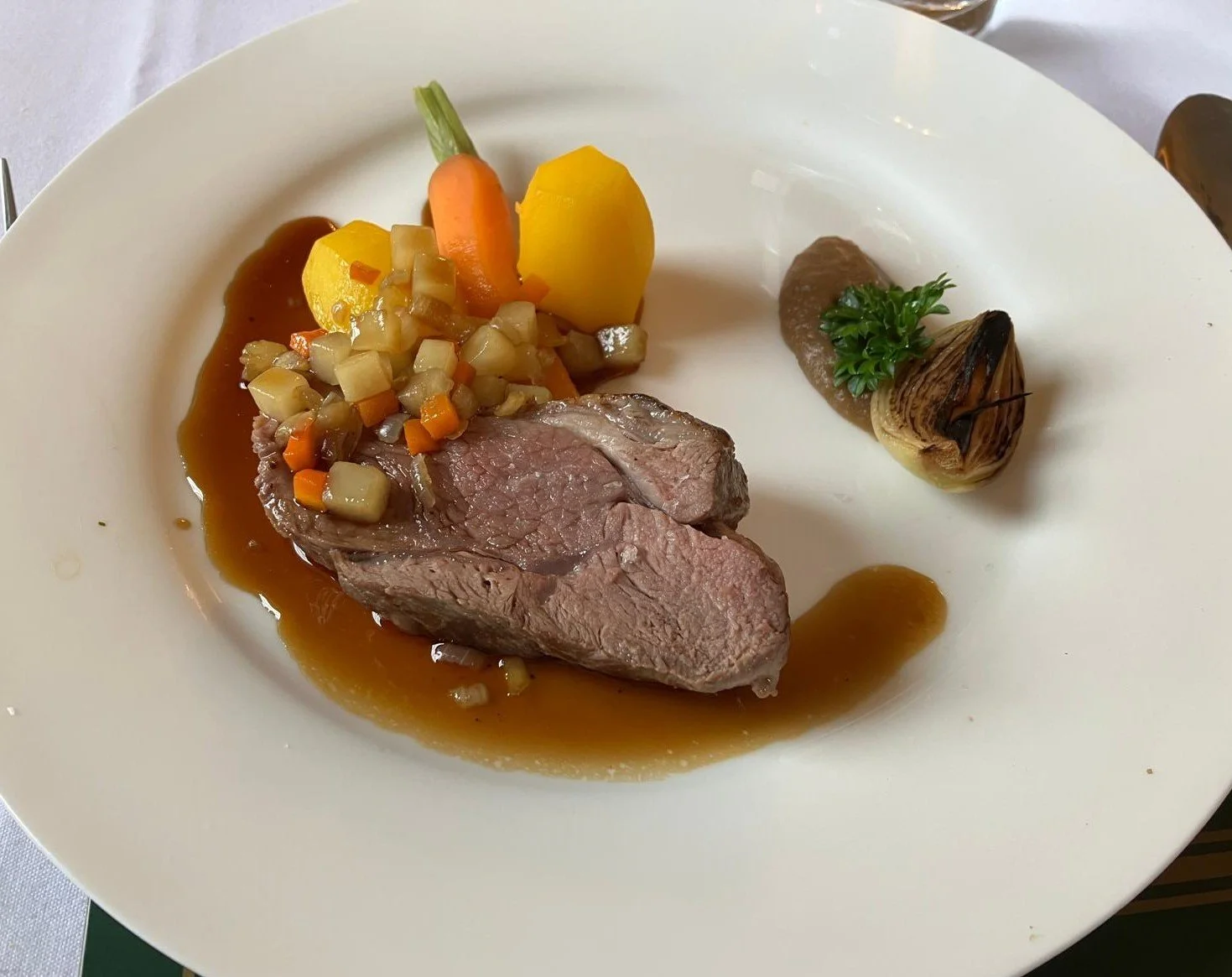
Farm-to-Table Focus: Chefs rely heavily on local farms for grass-fed beef, organic lamb, rich butter, and handmade artisan cheeses.
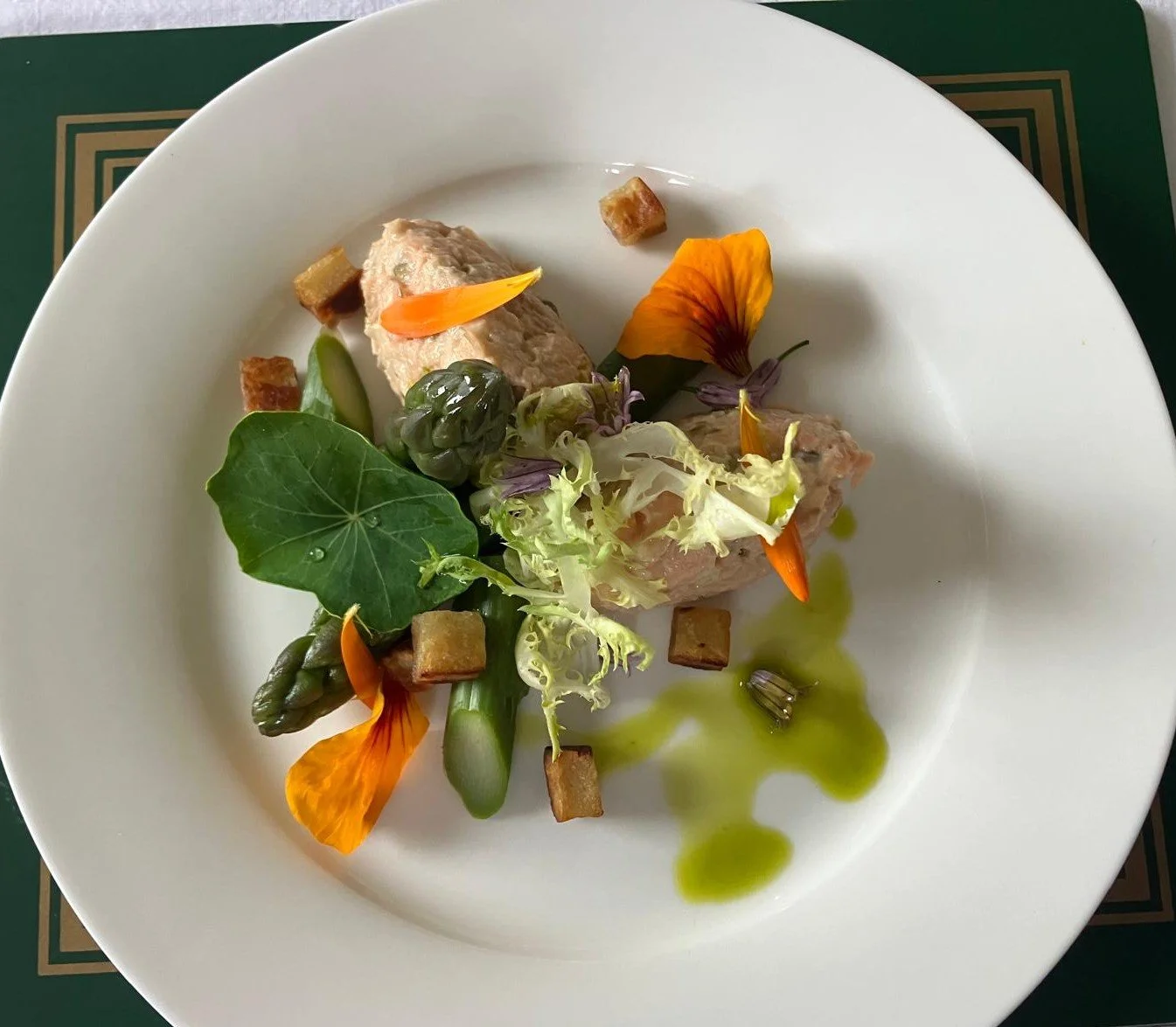
Fresh Seafood: Thanks to Ireland's long coastline, dishes often highlight fresh wild salmon, oysters, mussels, and rich sea bass.
Elevated Classics: Traditional recipes like Irish stew or shepherd's pie are updated with fresh herbs, lighter sauces, and modern cooking techniques.
But again, cooking does not live in isolation. It is shaped by culture and the cuisine in turn influences the culture.
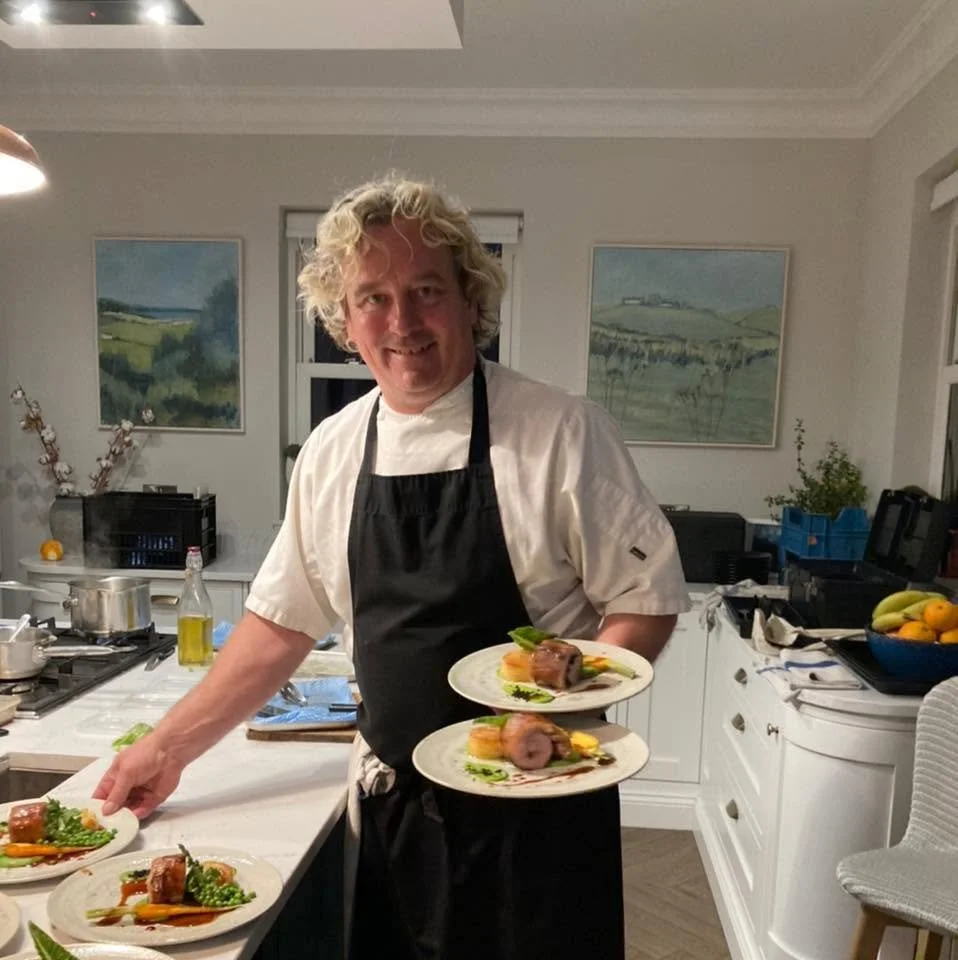
Our private chef, Joery Castel
While learning about a country’s cuisine, certainly we should be eating well. We do this in Northern Ireland with the help of our own private chef.
Joery worked in France and London before becoming head chef at the Castle Leslie in Ireland. He is perhaps best-known for the success of his Boat House Restaurant in Bangor, which became the first restaurant in Northern Ireland to feature in the prestigious Sunday Times TOP 100 UK Restaurants list published 2015.
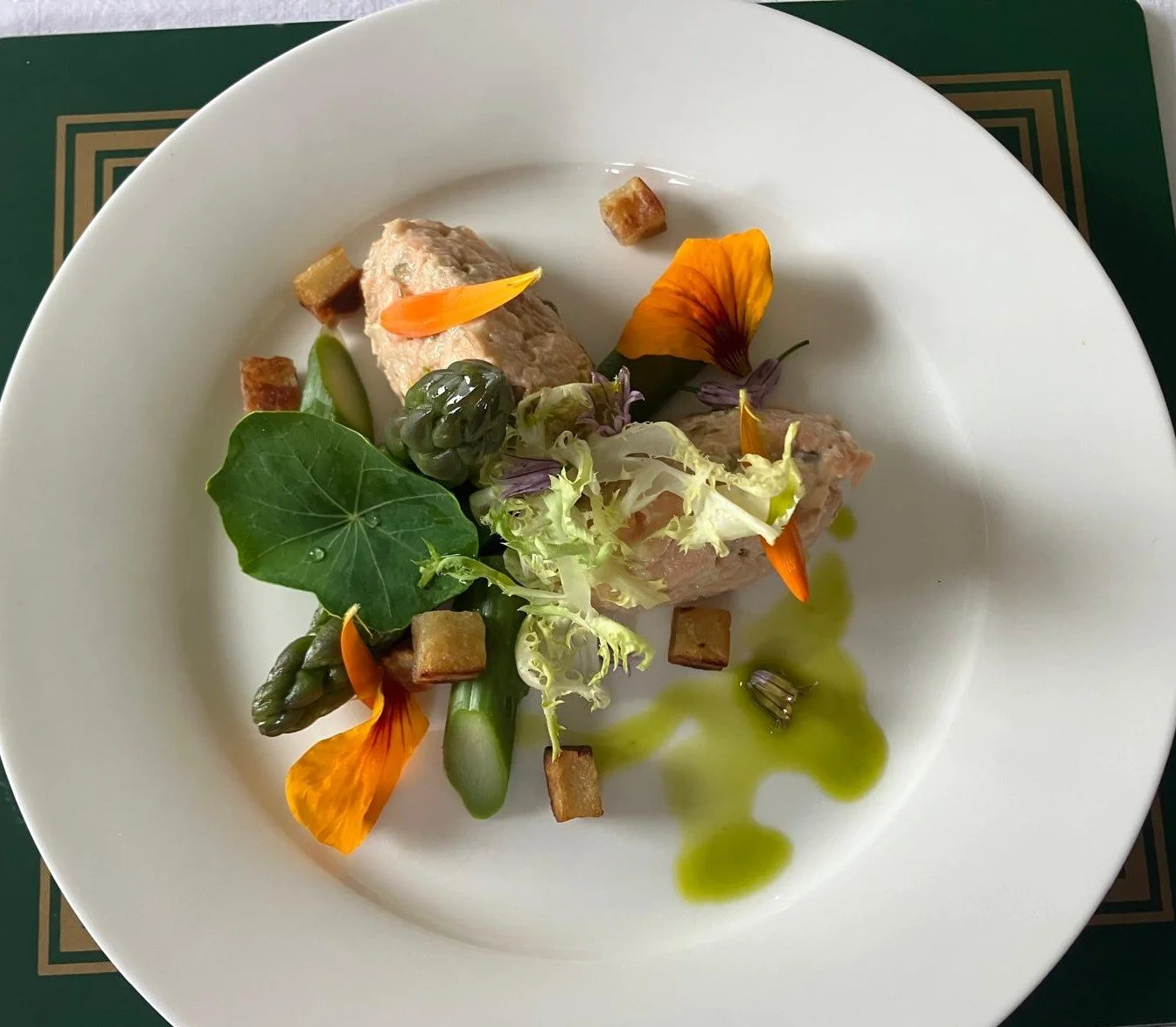
Now Joery works his culinary magic in private settings and we’re fortunate to have his full attention during our stay in Northern Ireland. That means breakfast, lunch, and dinner. In addition to his creations, which he describes in detail for us before each meal, Joery will lead a cooking class for our group, featuring his modern take on traditional Irish foods.
Meet Simon Renault, your tour leader
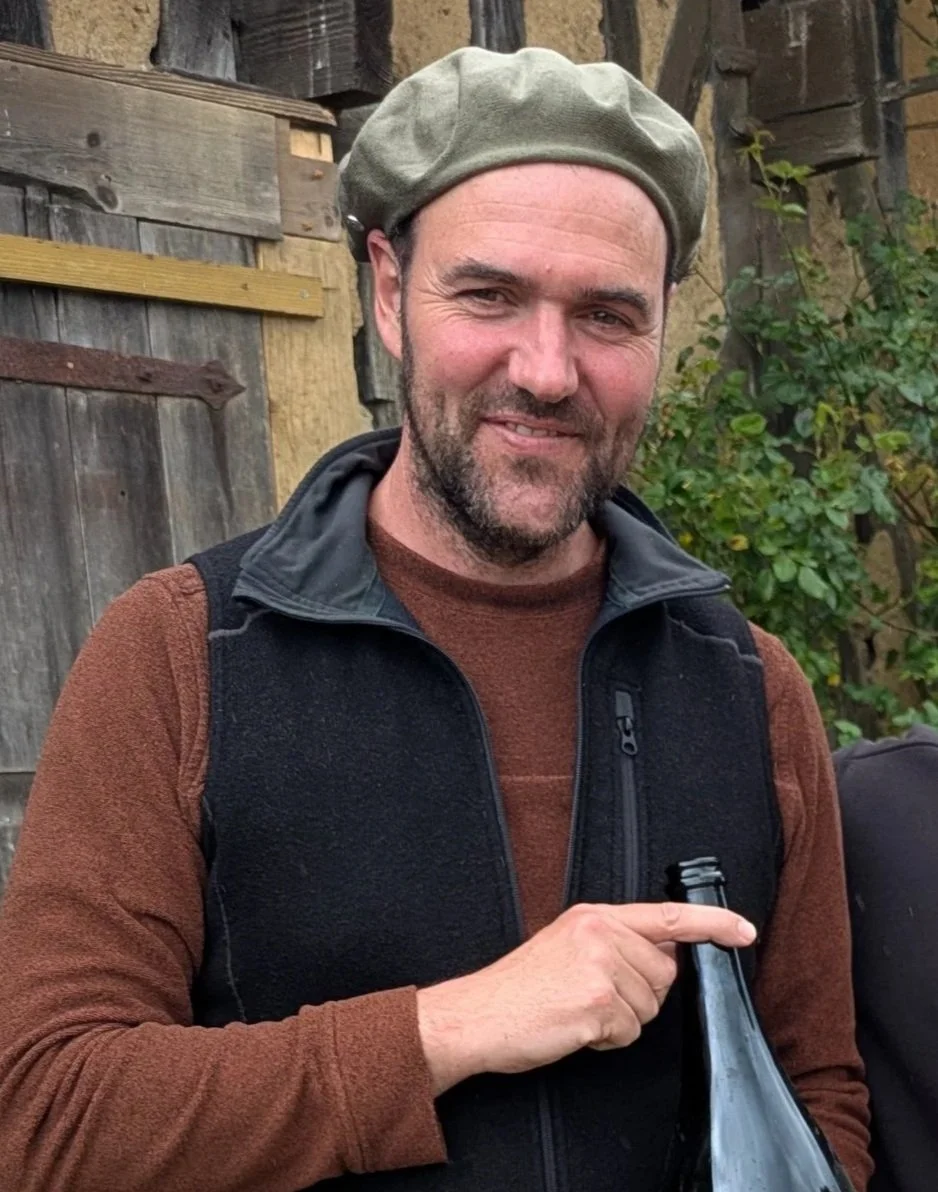
Group Leader Simon Renault
Simon Renault grew up in Brittany, close to Normandy, and comes from generations of small Breton farmers. He has worked as a heritage tour guide in France and Ireland before meeting his wife in the United States and moving to Vermont. He started his own small organic farm in 2008.
Simon lived on the Irish Aran Islands for three years and has traveled widely in Ireland.
Simon is now general manager at Scott Farm, a Vermont orchard that grows more than 130 varieties of heirloom apples. At Scott Farm, Simon loves sharing his French heritage by hosting Crêpe Nights and serving an excellent hard cider. Simon loves hiking, gardening, cooking, and eating well. For Simon, there is no better way to share good conversation and joie de vivre than around a table.
“I thoroughly enjoyed visiting Northern Ireland. The best part of the trip was how well it was curated and led by Chris and Amanda Brooke and how delightful it was to stay at their Ashbrooke manor house.”
“Great locations and lodgings. Probably the best food I’ve eaten anywhere.”






Click to enlarge images
Where we will stay
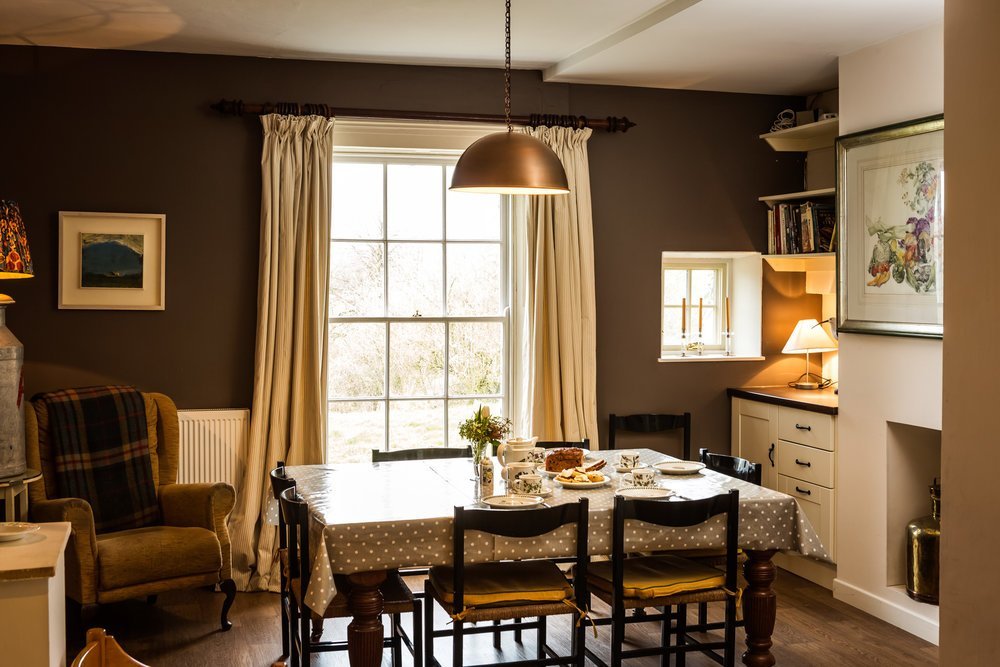
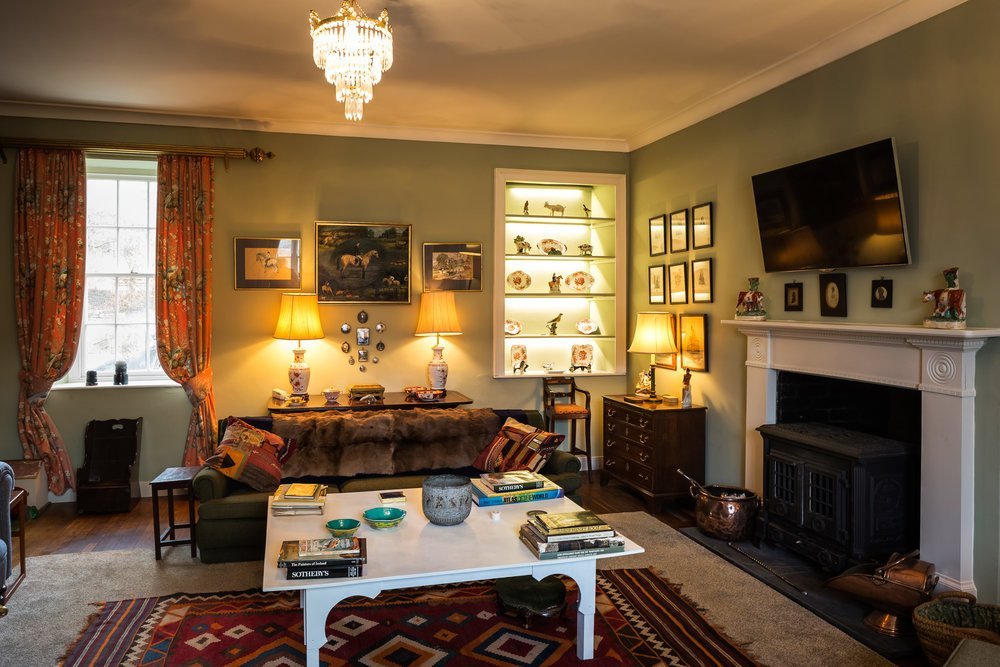
We are pleased to offer you a unique stay in a manor house on a 1,000-acre estate in Northern Ireland. It is a special location and the surroundings are unlike anything most of us experience in a lifetime.
The manor house has five rooms with ensuite bathrooms. There are three other rooms that share two bathrooms among them. There is a small additional charge for the rooms with ensuite bathrooms.
All the bedrooms are large and comfortable. The bathrooms are as grand as the bedrooms.
Our meals will be served to us in the dining room, with the dishes and ingredients introduced to us by the chef.
We will also have access to all parts of the manor, including the parlor, dining room and kitchen.
Just adjacent to the manor house are riding stables and horses.
This all is what makes this a five-star tour.
The estate
Click to enlarge map
Is this trip for me?
This isn’t a walking or cycling trip, so your degree of mobility is not critical. But we will be on our feet quite a bit as we visit farms, tour a cider works, and stroll through gardens.
Be aware that there is no elevator in the Ashbrooke manor house where we’ll stay and only one room on the ground floor. So there will be stairs.
Beyond mobility, you should have an interest in food to fully appreciate this tour.
Click/Tap to enlarge photos